
Socrates on the beach, 2026
In Socrates on the beach (Issue 13). Translation of Et j’écris dans ce désordre. Sur Jean Genet par Tobias Ryan (in Revue Europe, n°1103, 2021).
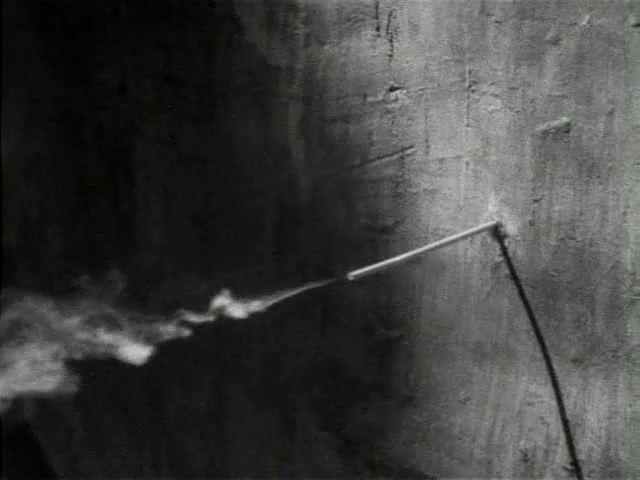
Ill. J. Genet, Un chant d’amour
… A power haunts the margins, repeating through the day-by-day quiet. It disturbs us, stubbornly reminding us that our lives are an illusion: fleeting moments of stability and love. Sometimes it insinuates itself in our affairs delightfully, through perversion or an inability to contain it. It hypnotises us and puts the diamond collar of fantasy around our necks. Hence the urgent need to disarm its ambush: so that no doubt can contaminate us, and we can preserve, with as few cracks as possible, our belief in permanence.
As for those who embody, as though it were their own skin, this taciturn irony and disavowal of naked things, it is a prison, a cell or a dungeon, an asylum or the condescension of suspiciously judgemental diagnoses. And for those who are gagged by their social standing, generally before they are silenced, anger concentrates, pressure mounts, gnawing then turbulent, before exploding into the desire to punch walls, hammer at them, and then dance. Transgressing the law is the first barrier through which they have to break, becoming therefore escape artists. That is how he fell under the spell of the waltz, caught by “the drunkenness of the turn in which you leave for one job and then, carried away by the panic of the whirlwind, do ten or fifteen more.” [1]
Nothing is obvious at first. The victim he is going to mistreat by breaking in on is a voiceless absentee, an as yet unconscious victim, who, unforced, is made to give in as though it were nothing: you just grab what’s there, in the wardrobe the living room the bedroom or on the bookshelves, in an anxious haste, and with the childlike joy of pilfering what no one is protecting…
[1] Lettres au petit Franz, Jean Genet, Le Promeneur-Gallimard (2000)